Kashi Vishwanath Temple Timings Full Guide

Kashi Vishwanath Temple Timings Full Guide
  • Temple Opening Time: 02:30 AM
  • Mangala Aarti (Devotees with tickets can join): 3:00 AM To 4:00 AM
  • General Darshan Timing: 4:00 AM To 11:00 AM
  • Mid-Day Bhog Aarti: 11:30 AM To 12:00 PM
  • Darshan Open: 12:00 PM To 7:00 PM
  • Sapta Rishi Aarti: 7:00 PM To 8:30 PM
  • Darshan Open: Till 9:00 PM
  • Shringar/Bhog Aarti: 9:00 PM To 10:15 PM
  • Shayan Aarti: 10:30 PM
    • Temple Closing Time: 11:00 PM


  1. Morning Darshan Timings:

    • The temple doors open early in the morning, usually around 4:00 AM.
    • Devotees can have darshan from 4:00 AM to 11:00 AM.
    • This is a popular time for devotees to offer prayers and perform rituals.
  2. Midday Break:

    • After the morning darshan session, the temple closes for a few hours around midday.
    • The temple usually closes around 11:00 AM and reopens in the evening.
  3. Evening Darshan Timings:

    • The temple reopens in the evening, generally around 6:00 PM.
    • Devotees can visit the temple and have darshan from 6:00 PM to 9:00 PM.
    • Evening aarti (ritual of worship with lamps) is a significant event during this time.
  4. Special Occasions and Festivals:

    • During special occasions, festivals, or religious events, the temple timings may vary.
    • It’s advisable to check with the temple authorities or their official website for any changes in timings during such events.
  5. VIP Darshan and Special Poojas:

    • The temple may offer special darshan and pooja services for VIPs or those who opt for special arrangements.
    • These services often have separate timings and may require prior booking or arrangements.
  6. Crowd Considerations:

    • The temple can get crowded during peak hours, especially in the morning and during festivals.
    • It’s advisable to plan your visit accordingly to avoid long queues and ensure a smoother darshan experience.

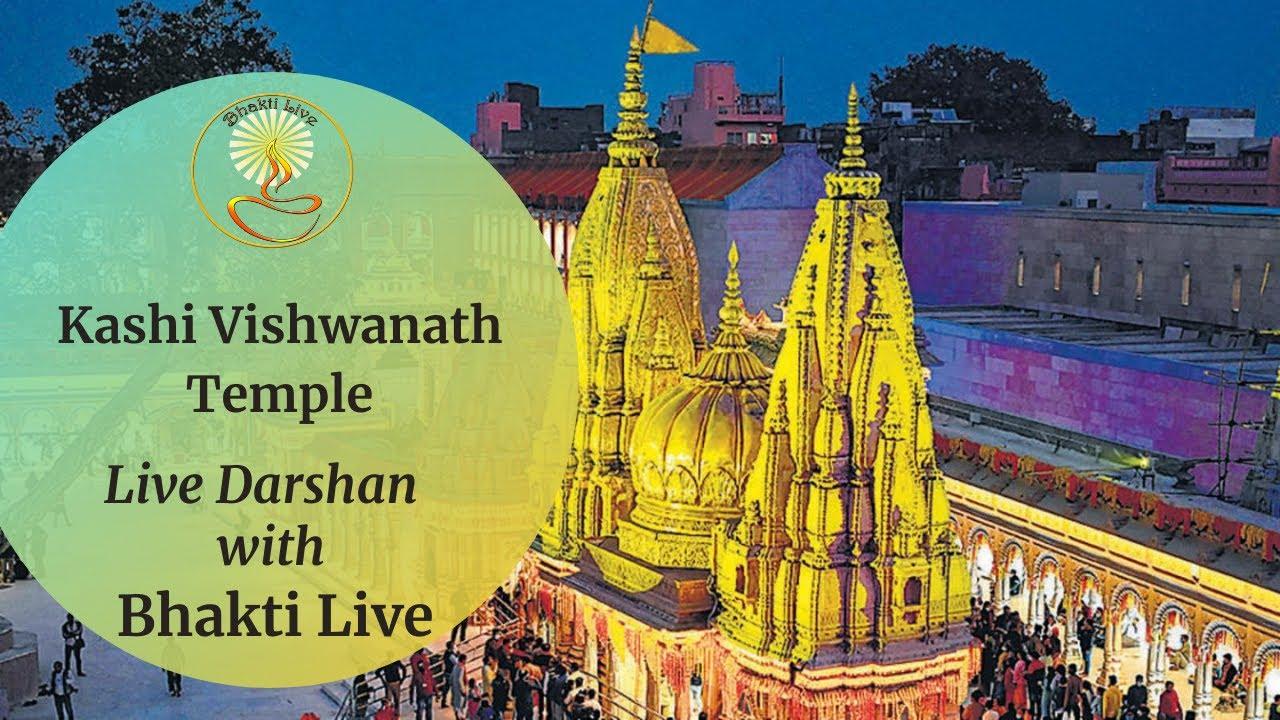
The Kashi Vishwanath Temple, located in Varanasi, India, is one of the holiest and most revered temples dedicated to Lord Shiva. It holds immense significance in Hindu religion and attracts devotees from all over the world. The temple is renowned for its stunning architecture, intricate carvings, and spiritual ambiance.

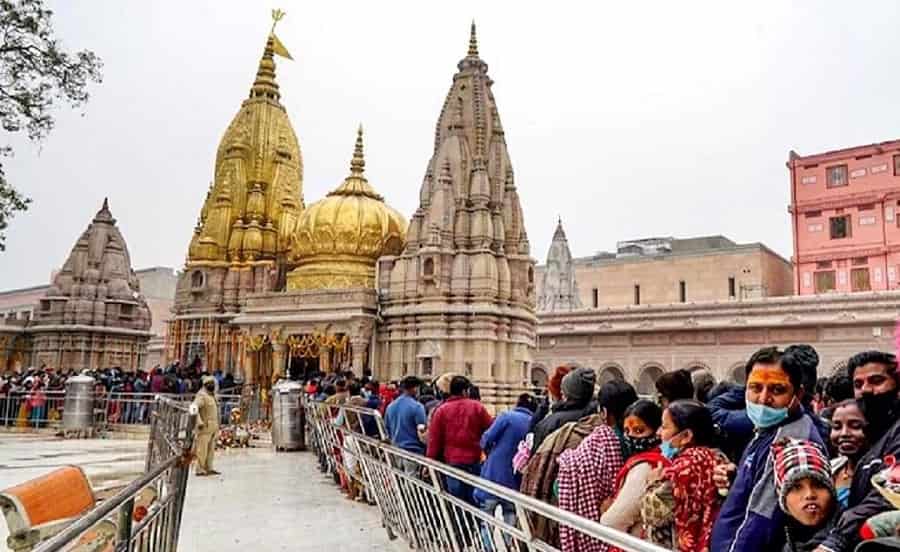
Devotees visit the Kashi Vishwanath Temple to seek blessings, offer prayers, and perform rituals. The temple is open to visitors during specific timings, allowing devotees to have darshan (sacred viewing) of the deity and participate in various religious ceremonies.
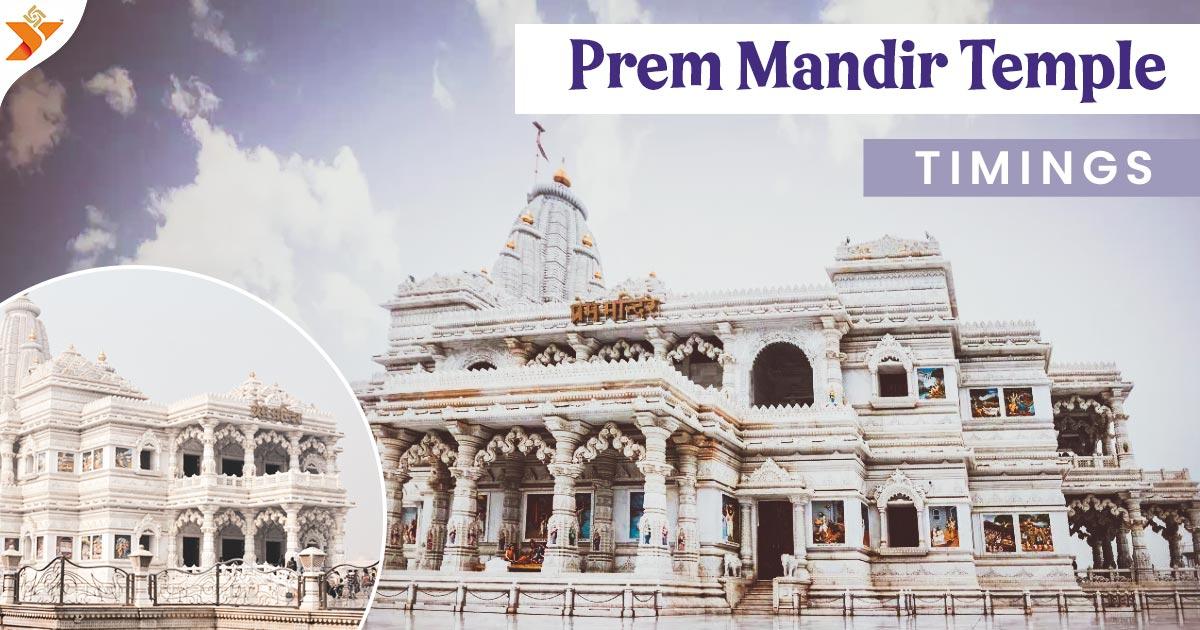
 

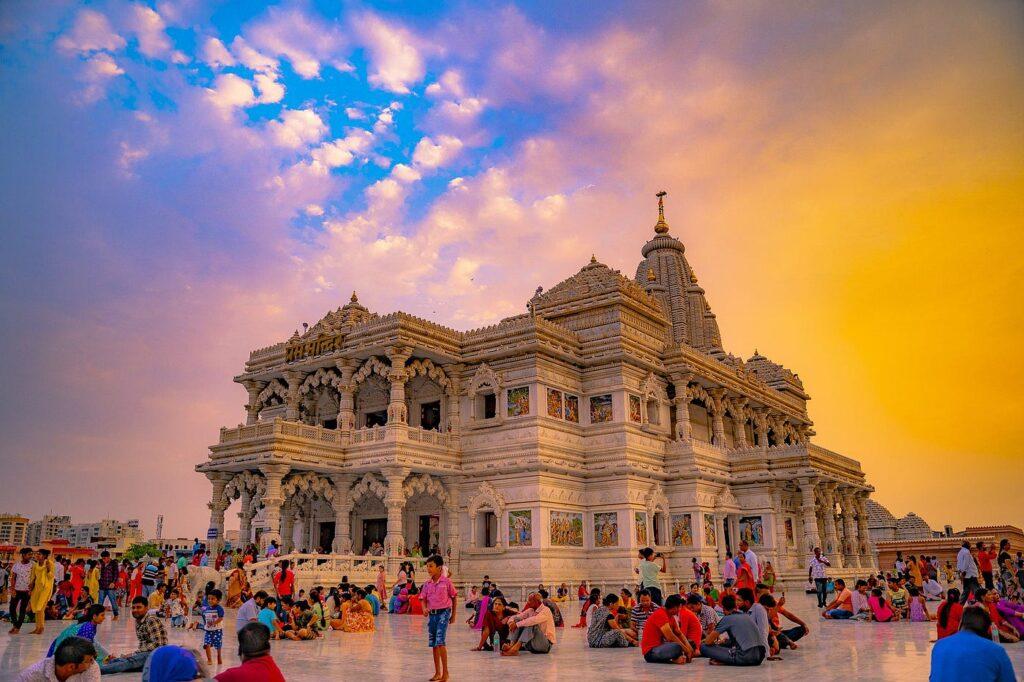
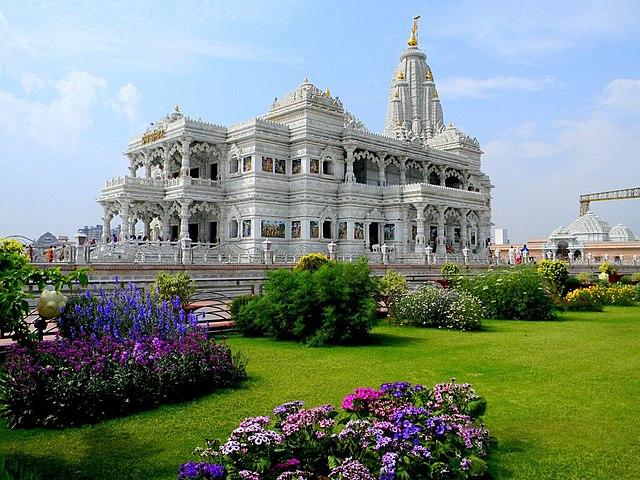
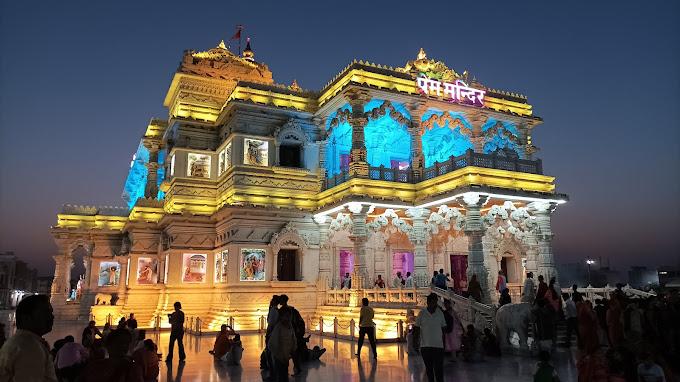
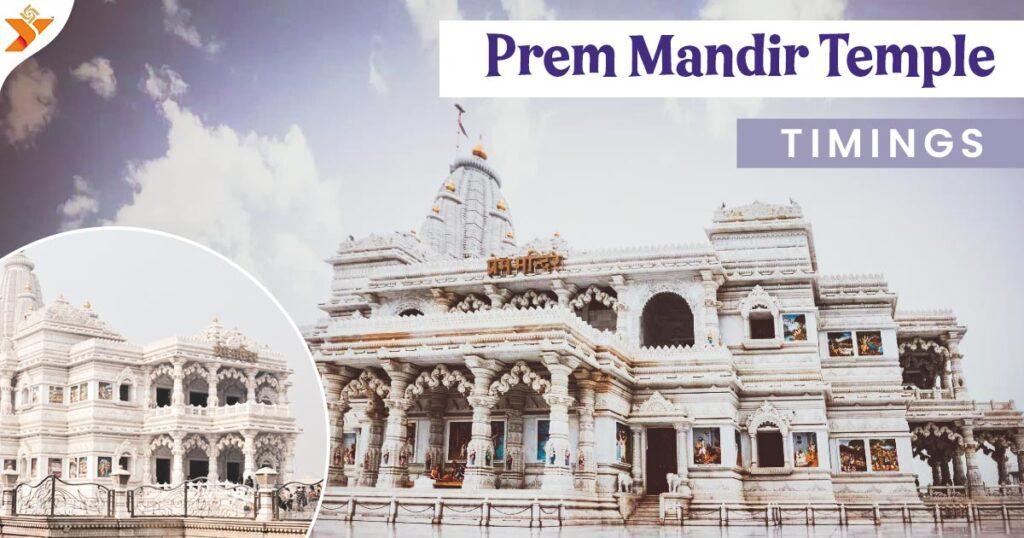
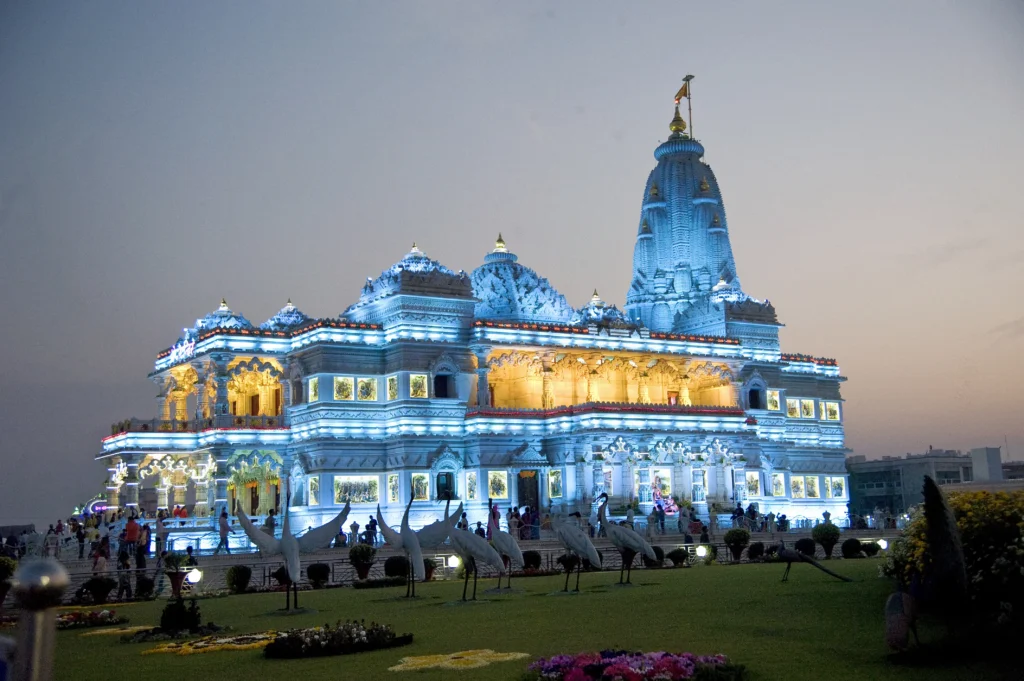
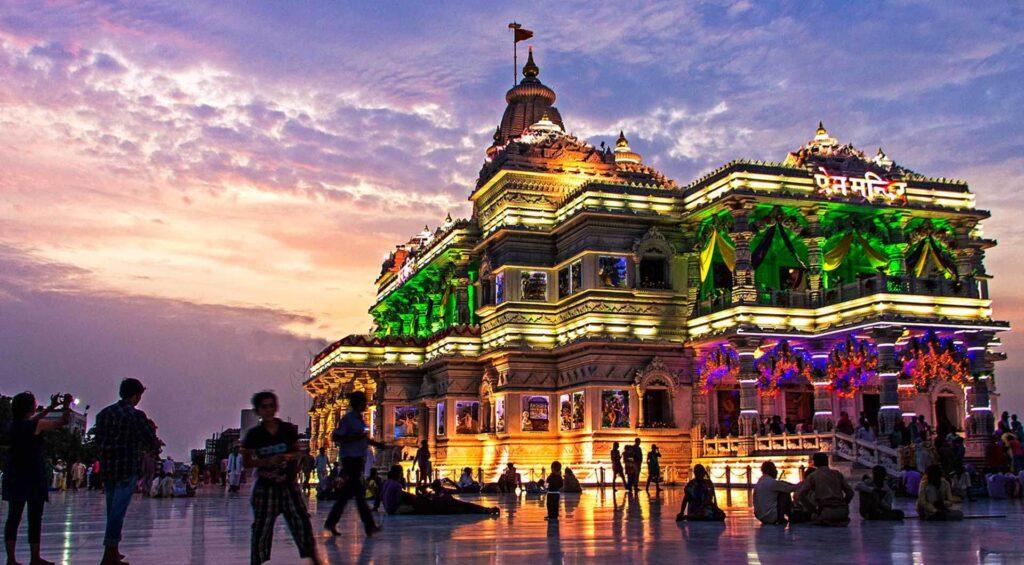
prem mandir vrindavan photos location timing full guide

prem mandir vrindavan photos location timing full guide prem mandir vrindavan
prem mandir vrindavan photos location timing full guide
DeityRadha, Krishna (on the ground floor)

Sita Rama (on the first floor)

Entry FeesFree and open for all
LocationVrindavan
DistrictMathura
StateUttar Pradesh
CountryIndia
Darshan TimingsMorning: 5.30 AM – 6.30 AM & 8.30 AM – 12.30 PM
Evening: 4.30 PM  – 8.30 PM
Famous forItalian White Marble Architecture, Landscaped Garden, Paintings, Musical Water Show, Beautiful lighting of the entire temple in the evening
Acharya (Founder)Kripalu Maharaj
Year Constructed2001-2012
Budget of Construction₹150 crores
Year Opened2012
Size (in acres)55

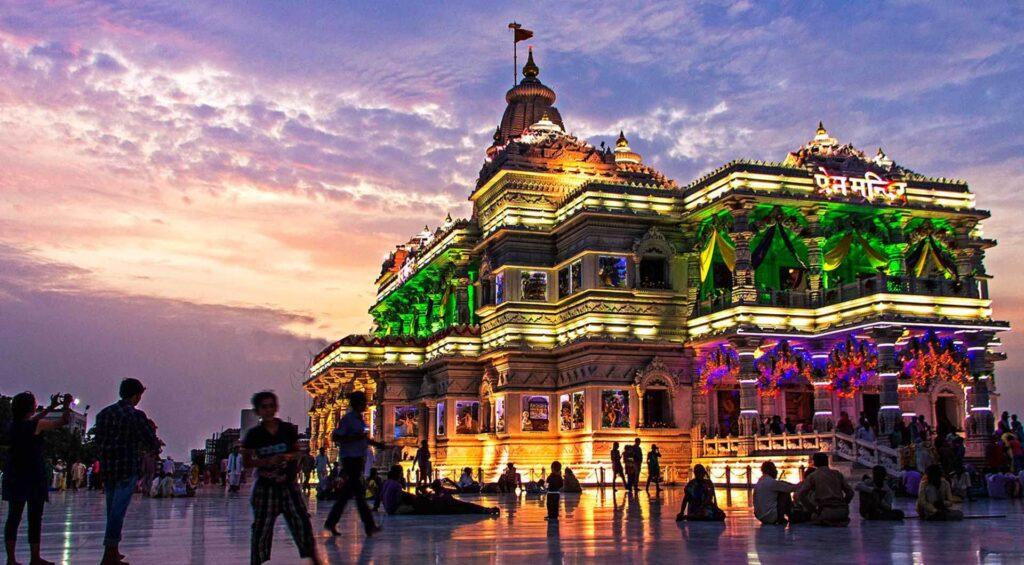
Prem Mandir, located in Vrindavan, is a renowned temple dedicated to Lord Krishna. It is a majestic structure adorned with intricate carvings and sculptures depicting the pastimes of Lord Krishna, particularly his divine love (prema) with Radha. The temple complex also includes beautifully landscaped gardens, illuminated with colorful lights in the evenings, creating a serene and spiritual ambiance for visitors. Prem Mandir is not only a place of worship but also a symbol of devotion and love for Lord Krishna, attracting devotees and tourists from all around the world.

Location:

Prem Mandir is situated in the holy town of Vrindavan, Uttar Pradesh, India. The exact address is: Prem Mandir Road, Raman Reti, Vrindavan, Mathura, Uttar Pradesh 281121

Timing:

Prem Mandir is open to visitors throughout the week. The general timing for darshan (worship) is as follows:

  • Morning: 5:30 AM to 12:00 PM
  • Evening: 4:00 PM to 8:30 PM

Highlights:

  1. Exquisite Architecture: The temple boasts stunning architecture with intricate carvings and designs.
  2. Beautifully Lit: Prem Mandir is especially enchanting in the evening when it’s beautifully illuminated.
  3. Spiritual Atmosphere: Visitors experience a serene and spiritually uplifting ambiance within the temple premises.
  4. Krishna Leela Depictions: The temple’s walls are adorned with intricate sculptures depicting various pastimes of Lord Krishna.

Tips for Visitors:

  • Dress Code: It’s advisable to dress modestly while visiting the temple.
  • Footwear: Visitors are required to remove their footwear before entering the temple premises.
  • Crowd: Prem Mandir can get crowded, especially during festivals and weekends, so plan your visit accordingly.
  • Photography: Photography is allowed in certain areas, but it’s always good to ask permission before taking photos.

Prem Mandir offers not just a visual treat but also a spiritual experience that attracts devotees and tourists alike. Make sure to visit this divine abode when you’re in Vrindavan.

places to visit in cherrapunji location map and full details

places to visit in cherrapunji location map and full details prem mandir vrindavan

Cherrapunji, also known as Sohra, is a stunning destination in the northeastern state of Meghalaya, India. Renowned for its lush green landscapes, cascading waterfalls, and living root bridges, Cherrapunji offers a unique and captivating experience for travelers. Here are some places you should consider visiting along with a brief description


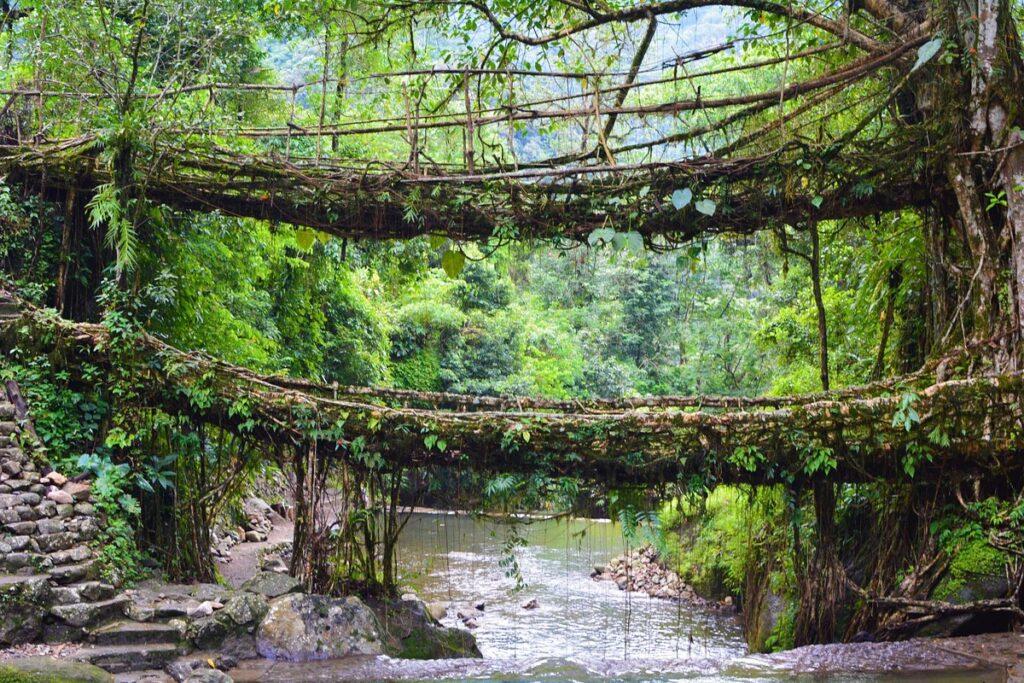
Double Decker Living Root Bridge cherrapunji

places to visit in cherrapunji location map and full details prem mandir vrindavan

Double Decker Living Root Bridge: This iconic bridge is a marvel of bioengineering, formed by training the roots of rubber trees over centuries to create a sturdy bridge over a stream.

The Double Decker Living Root Bridge in Cherrapunji is a remarkable natural wonder located in the northeastern state of Meghalaya, India. This unique bridge is formed by the intricate weaving of the aerial roots of rubber trees by the local Khasi tribe. Over many years, these roots grow and intertwine to create a sturdy bridge capable of supporting the weight of several people.

What makes the Double Decker Living Root Bridge particularly special is its two-tiered structure, with one bridge stacked on top of the other, hence the name “Double Decker.” This feature makes it one of the most iconic and photographed living root bridges in the region.

Visitors to Cherrapunji often embark on treks through the lush forests to witness the awe-inspiring beauty of this living marvel. The journey to reach the bridge involves hiking through picturesque landscapes, crossing streams, and navigating dense foliage, providing adventurers with a truly memorable experience.

The Double Decker Living Root Bridge not only serves as a testament to the ingenuity of the local tribes but also highlights the harmonious relationship between humans and nature. It stands as a symbol of sustainable engineering and environmental preservation, attracting tourists from around the world to marvel at its natural splendor.

Nohkalikai Falls cherrapunji

places to visit in cherrapunji location map and full details prem mandir vrindavan
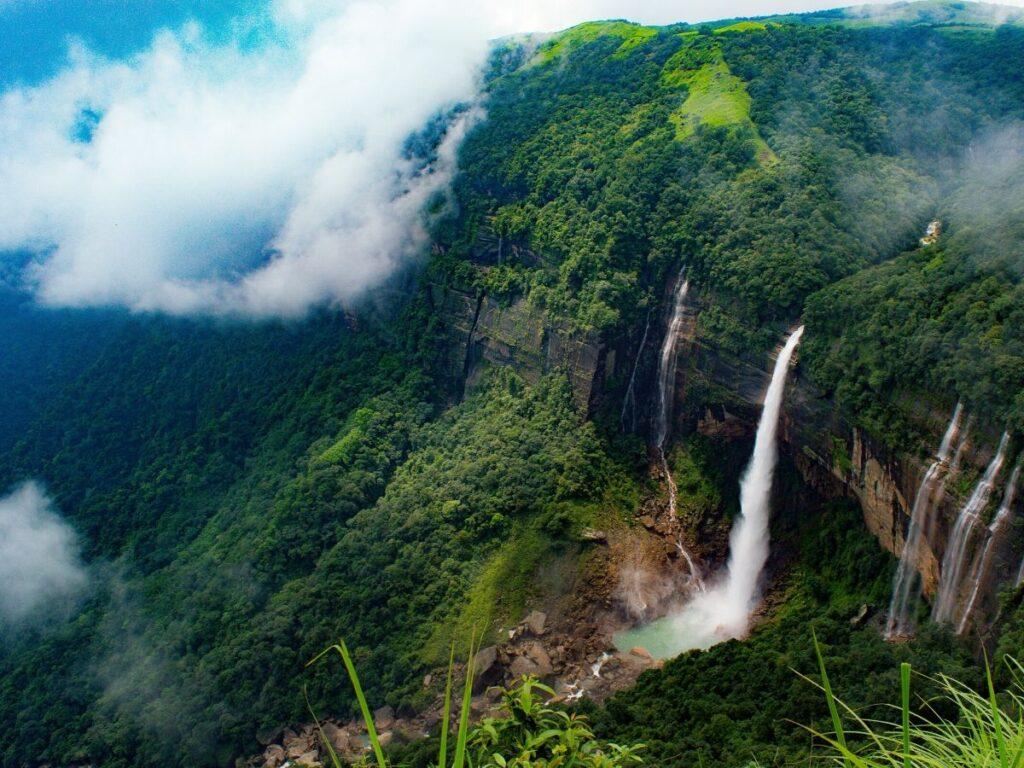
  1. Nohkalikai Falls: Plunging from a height of 1,115 feet (340 meters), Nohkalikai Falls is one of the tallest plunge waterfalls in India. The sight of water gushing down amidst lush greenery is breathtaking.

  2. Nohkalikai Falls is a breathtaking natural attraction located near Cherrapunji in the northeastern state of Meghalaya, India. Plunging from a height of approximately 1,100 feet (335 meters), it is one of the tallest waterfalls in India and holds a special place in the hearts of locals and tourists alike.

    The name “Nohkalikai” translates to “Jump of Ka Likai” in the local Khasi language. According to local legend, the waterfall is named after a woman named Likai who, distraught by a personal tragedy, jumped from the cliffs near the waterfall, giving rise to its poignant name.

    The waterfall is surrounded by lush greenery and offers a spectacular view of the cascading water against the backdrop of the rugged terrain. Visitors often flock to Nohkalikai Falls to witness its majestic beauty and to take in the serene atmosphere of the surrounding landscape.

    Tourists can access viewpoints from which they can admire the waterfall and capture stunning photographs. Additionally, adventurous souls may choose to trek down to the base of the falls to experience its sheer power up close, although this can be a challenging journey requiring careful navigation of steep and sometimes slippery terrain.

    Nohkalikai Falls is not only a natural marvel but also a cultural symbol, reflecting the rich folklore and heritage of the Khasi people. It remains a must-visit destination for nature lovers and adventure enthusiasts exploring the enchanting region of Cherrapunji.

Mawsmai Cave cherrapunji

places to visit in cherrapunji location map and full details prem mandir vrindavan
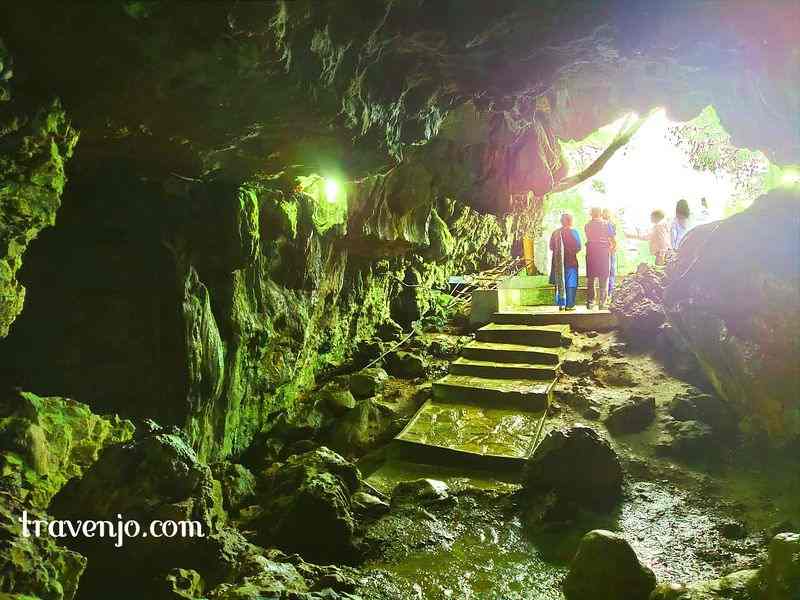
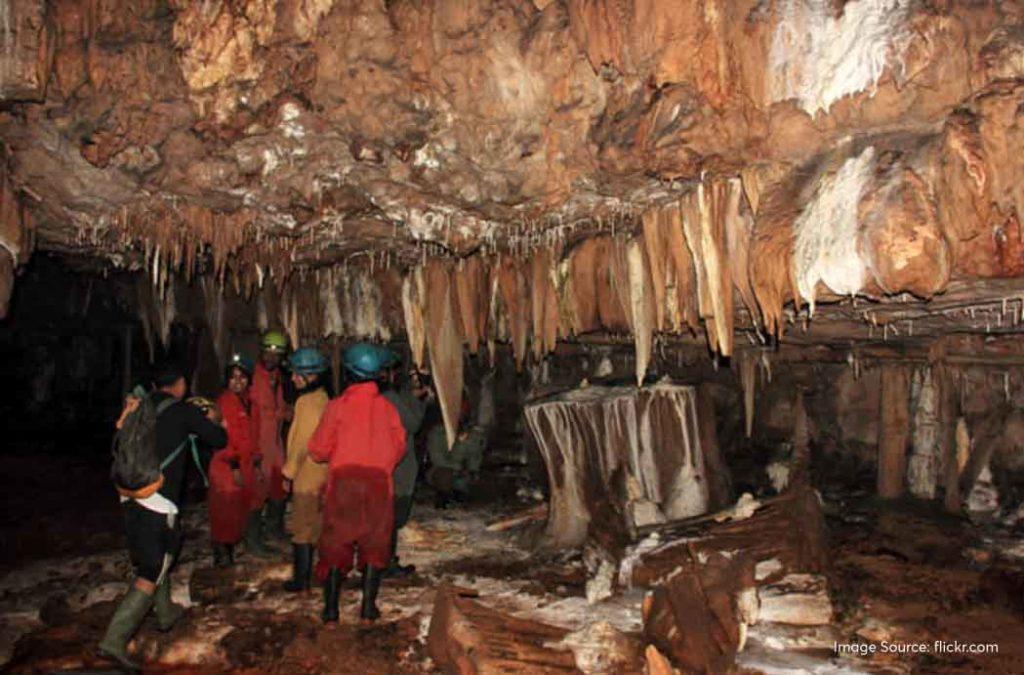
  1. Mawsmai Cave: Explore the ancient limestone caves of Mawsmai, adorned with impressive stalactites and stalagmites. It’s an exciting adventure into the depths of the earth.

  2. Mawsmai Cave is a captivating limestone cave system situated near Cherrapunji in the northeastern state of Meghalaya, India. It is one of the most popular tourist attractions in the region, drawing visitors with its intriguing geological formations and mystical ambiance.

    The cave is formed from millennia of water erosion and features narrow passages, expansive chambers, and intricate stalactites and stalagmites that adorn its interior. Exploring Mawsmai Cave offers adventurers a thrilling experience as they navigate through its dark recesses, marveling at the natural wonders sculpted by time and water.

    Guided tours are available for visitors, providing insights into the cave’s formation, local folklore, and the unique ecosystem that thrives within its confines. As visitors venture deeper into the cave, they encounter fascinating formations such as curtains, flowstones, and cave pearls, each adding to the allure of the underground journey.

    Mawsmai Cave is illuminated with artificial lighting to enhance visibility and showcase the beauty of its geological features. This lighting also creates a surreal ambiance, casting shadows and highlighting the intricate textures of the cave walls, adding to the sense of adventure and discovery.

    Exploring Mawsmai Cave offers a memorable experience for nature enthusiasts and spelunking enthusiasts alike, allowing them to connect with the ancient geological history of the region and appreciate the wonders of the natural world. It remains a must-visit destination for travelers seeking to delve into the mysterious depths of Meghalaya’s underground realm.

Seven Sisters Falls (Nohsngithiang Falls) cherrapunji

places to visit in cherrapunji location map and full details prem mandir vrindavan
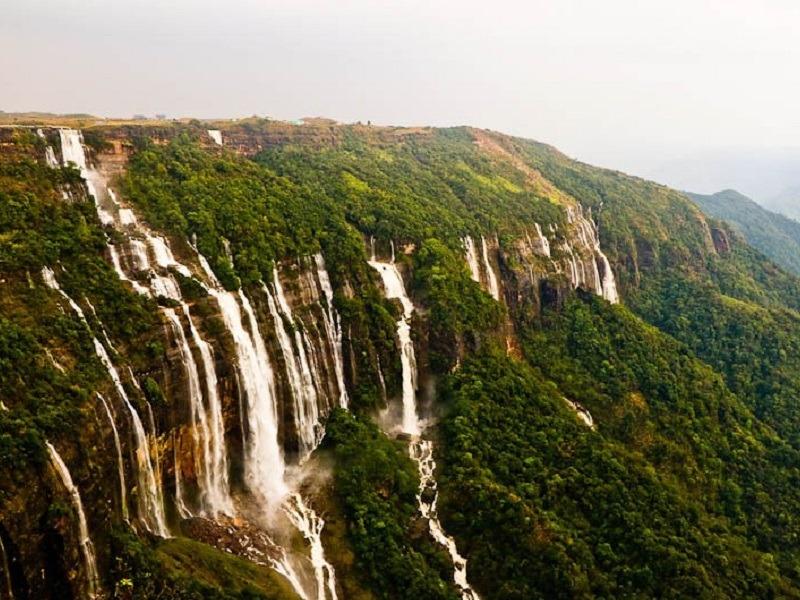
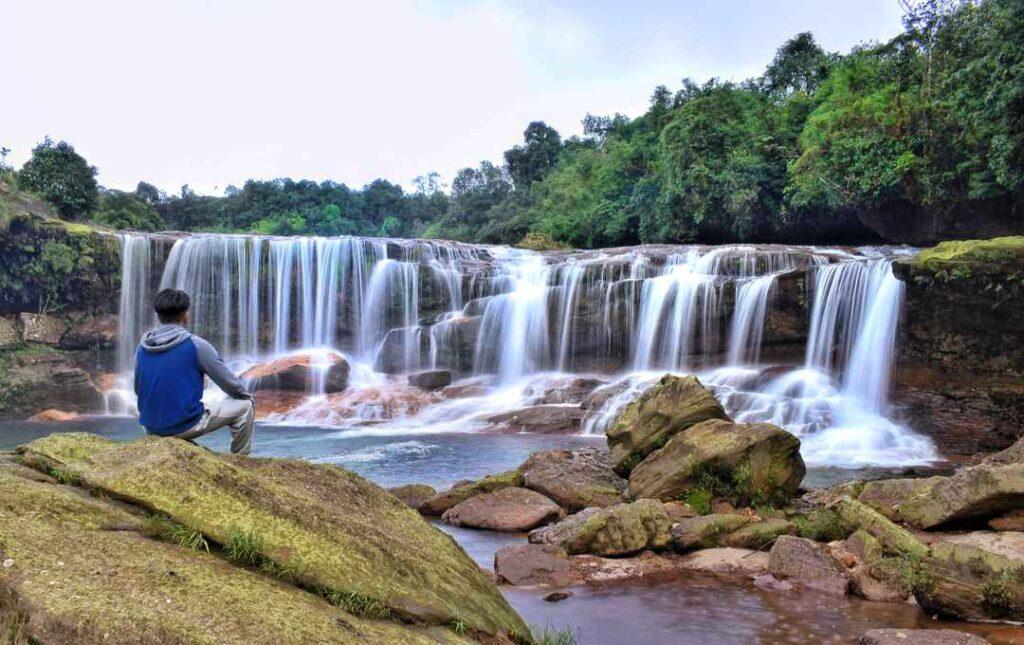
  1. Seven Sisters Falls (Nohsngithiang Falls): These picturesque falls consist of seven segmented streams, plunging from the cliffs to create a mesmerizing spectacle, especially during the monsoon season. 

  2. Seven Sisters Falls, also known as Nohsngithiang Falls, is a magnificent waterfall located near Cherrapunji in the northeastern state of Meghalaya, India. This stunning natural wonder is named after the Seven Sisters, a group of seven states in the northeastern region of India, and is often considered one of the most picturesque waterfalls in the area.

    The Seven Sisters Falls cascade down a steep cliffside in a series of seven distinct streams, plunging from a height of approximately 1,033 feet (315 meters). The sight of the cascading water against the backdrop of the lush greenery of the surrounding hills is truly breathtaking, especially during the monsoon season when the falls are at their most voluminous.

    Visitors to Cherrapunji often flock to the viewpoints overlooking the Seven Sisters Falls to admire its beauty and capture stunning photographs. The mist rising from the base of the falls adds to the ethereal atmosphere, creating a magical ambiance that enchants all who behold it.

    The name “Nohsngithiang” translates to “Jump of the Ka Likai” in the local Khasi language, similar to the nearby Nohkalikai Falls. According to local legend, the waterfall is named after a woman named Likai, who jumped to her death from the cliffs near the falls, giving rise to its poignant name.

    The Seven Sisters Falls is not only a natural marvel but also a symbol of the rich biodiversity and pristine beauty of Meghalaya’s landscape. It remains a must-visit destination for nature lovers and adventure enthusiasts exploring the enchanting region of Cherrapunji.

Thangkharang Park cherrapunji

places to visit in cherrapunji location map and full details prem mandir vrindavan

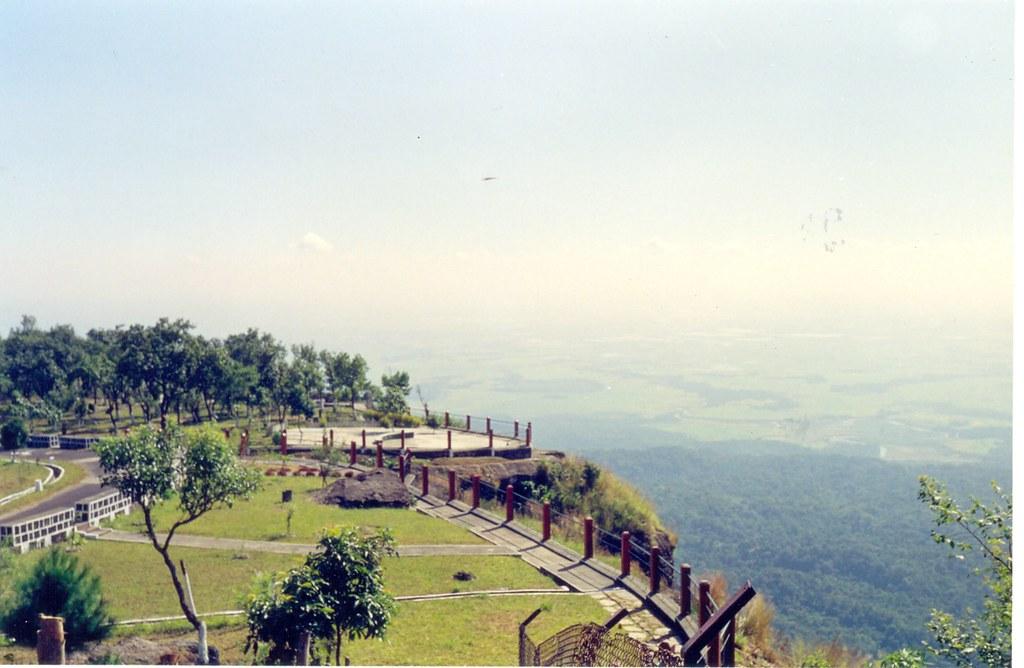
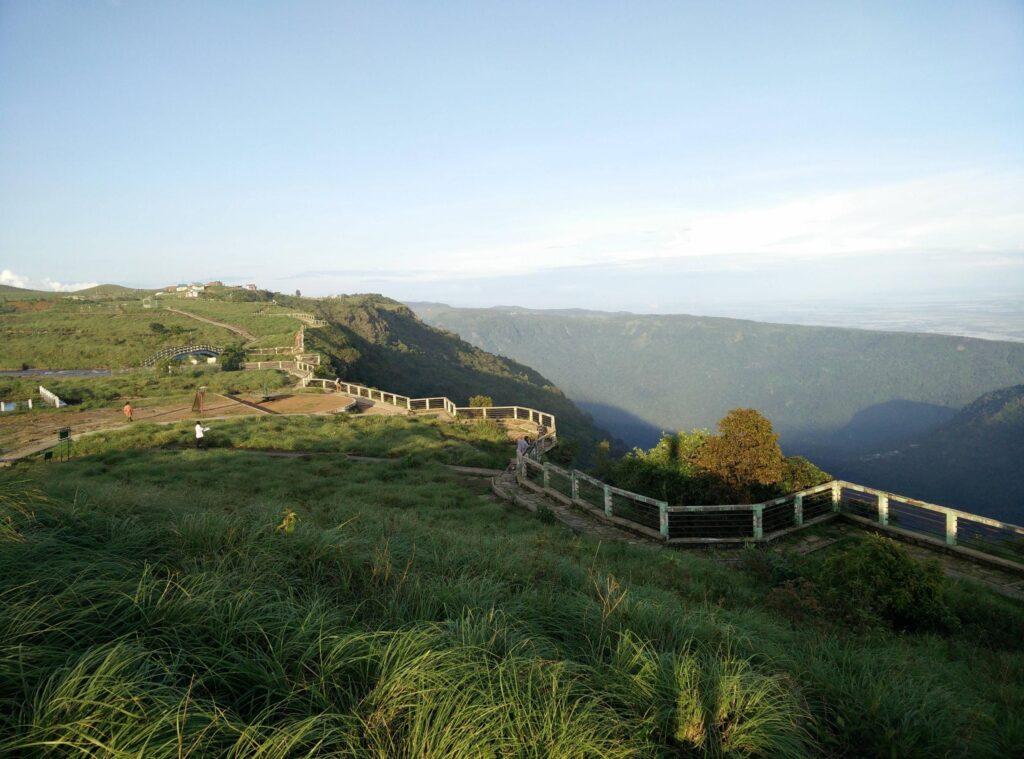
Thangkharang Park: Offering panoramic views of the Bangladesh plains, Thangkharang Park is an excellent spot for a leisurely stroll amidst the natural beauty of Cherrapunji.

Thangkharang Park is a scenic park located near Cherrapunji in the northeastern state of Meghalaya, India. Situated atop a plateau, the park offers visitors breathtaking panoramic views of the surrounding landscape, including lush green valleys, cascading waterfalls, and majestic cliffs.

One of the highlights of Thangkharang Park is its viewpoint, which provides a stunning vista of the Bangladesh plains stretching out below. On clear days, visitors can see for miles, marveling at the natural beauty of the region and appreciating the peaceful ambiance of the park.

In addition to its picturesque vistas, Thangkharang Park is also home to a variety of indigenous flora and fauna, making it an ideal destination for nature enthusiasts and birdwatchers. The park’s well-maintained trails offer opportunities for leisurely strolls amidst the serene surroundings, allowing visitors to immerse themselves in the tranquility of nature.

Thangkharang Park is a popular attraction for both locals and tourists alike, offering a tranquil retreat from the hustle and bustle of city life and providing a perfect setting for relaxation and contemplation. Whether enjoying a picnic with family and friends or simply taking in the natural beauty of the surroundings, visitors to Thangkharang Park are sure to be captivated by its charm and allure.

Dainthlen Falls cherrapunji

places to visit in cherrapunji location map and full details prem mandir vrindavan
  1. Dainthlen Falls: Named after a mythical snake, Dainthlen Falls is a captivating cascade surrounded by lush forests, perfect for nature enthusiasts and photographers.

    Dainthlen Falls is a captivating waterfall located near Cherrapunji in the northeastern state of Meghalaya, India. Named after a mythical serpent called “Thlen,” the falls cascade down a rocky cliffside, creating a mesmerizing spectacle amidst the lush greenery of the surrounding landscape.

    The legend of Dainthlen Falls is deeply rooted in local folklore. According to the Khasi legend, Thlen was a malevolent serpent that terrorized the people of the region until it was eventually defeated by a brave hunter. The waterfall is said to mark the spot where the hunter finally vanquished the serpent, bringing peace to the land.

    Today, Dainthlen Falls attracts visitors with its scenic beauty and tranquil atmosphere. The cascading water creates a soothing soundtrack as it tumbles down the rocky precipice, while the surrounding vegetation adds to the natural charm of the area.

    Visitors to Dainthlen Falls can enjoy panoramic views of the waterfall from various viewpoints, allowing them to appreciate its splendor from different angles. Many also choose to trek down to the base of the falls to experience its power up close and perhaps even take a refreshing dip in the pool below.

    Dainthlen Falls offers a serene retreat for nature lovers and adventure enthusiasts alike, providing an opportunity to connect with the rich cultural heritage and natural beauty of Meghalaya’s landscape. Whether admiring the falls from afar or immersing oneself in its refreshing waters, a visit to Dainthlen Falls is sure to leave a lasting impression.

Krem Mawmluh Cave cherrapunji

places to visit in cherrapunji location map and full details prem mandir vrindavan
  1. Krem Mawmluh Cave: This cave system is one of the longest in India and offers an adventurous exploration into its mysterious chambers and passages.

    Krem Mawmluh Cave is an extraordinary limestone cave system situated near Cherrapunji in the northeastern state of Meghalaya, India. It is one of the longest caves in the Indian subcontinent, stretching for several kilometers beneath the earth’s surface.

    Exploring Krem Mawmluh Cave offers adventurers a fascinating journey through a labyrinth of narrow passages, spacious chambers, and intricate rock formations. The cave’s geological features, including stalactites, stalagmites, and flowstones, bear witness to millions of years of natural sculpting by water and minerals.

    Guided tours are available for visitors interested in delving into the depths of Krem Mawmluh Cave. Experienced guides lead explorers through the dark corridors, providing insights into the cave’s formation, history, and the unique ecosystem that thrives within its confines.

    The cave’s interior is illuminated with artificial lighting to enhance visibility and showcase its remarkable geological formations. As visitors venture deeper into the cave, they encounter awe-inspiring sights, including towering columns, delicate formations, and hidden chambers waiting to be discovered.

    Krem Mawmluh Cave is not only a geological marvel but also a cultural treasure, holding significance for the local Khasi people who have inhabited the region for centuries. It remains a must-visit destination for travelers seeking to uncover the mysteries of Meghalaya’s underground realm and to marvel at the wonders of the natural world.

Eco Park cherrapunji

places to visit in cherrapunji location map and full details prem mandir vrindavan
  1. Eco Park: Situated near the Seven Sisters Falls, Eco Park is an ideal spot for picnics and relaxation, offering stunning views of the surrounding landscape.

    Eco Park is a beautiful park located near Cherrapunji in the northeastern state of Meghalaya, India. This serene and well-maintained park offers visitors the opportunity to immerse themselves in the natural beauty of the region while also promoting environmental conservation and awareness.

    The Eco Park features lush greenery, manicured gardens, and scenic viewpoints that overlook the picturesque landscapes of Cherrapunji. Visitors can enjoy leisurely walks along the park’s trails, taking in the fresh mountain air and admiring the diverse flora and fauna that call the area home.

    One of the highlights of Eco Park is its suspension bridge, which spans across a deep gorge and offers stunning views of the surrounding hills and valleys. Walking across the bridge provides a thrilling experience and a unique perspective of the natural beauty that surrounds the park.

    In addition to its natural attractions, Eco Park also serves as a hub for environmental education and eco-tourism initiatives. Visitors can learn about local conservation efforts, sustainable practices, and the importance of preserving the fragile ecosystems of Meghalaya.

    Eco Park is a popular destination for both locals and tourists alike, offering a peaceful retreat from the hustle and bustle of city life and a chance to reconnect with nature. Whether enjoying a picnic with family and friends, exploring the park’s trails, or simply taking in the scenic vistas, visitors to Eco Park are sure to be enchanted by its beauty and tranquility.

thailand international shopping festival in surat

thailand international shopping festival in surat prem mandir vrindavan

click and show highlight

The most awaited exhibition of the season

Ethnic Furniture, Contemporary Furniture, Outdoor Furniture, Jodhpur Furniture, Paintings, Artifacts, Fountains & much more

All under one roof

Avail discounts upto 70%

Products exclusively from Thailand, Afghanistan, Iran, Korea & Bangladesh

👜👚💄💍🛍👞🎒

Thai herbal products, Womens accessories, Novelty items, Spa Oils, Spa Products, Jewellery, Artificial Flowers, Clothes, Kids Accessories, Afghanistan Dry Fruits, Bangladesh Sarees, Western Wear.

Date: 1 – 2 – 3 – 4 MARCH 2024

Entry Fees – 50/- per head

Timings-10.00am – 8.30pm

VENUE – 📍 SIECC – DOME – SARSANA . SURAT

For enquiries : 9819181177

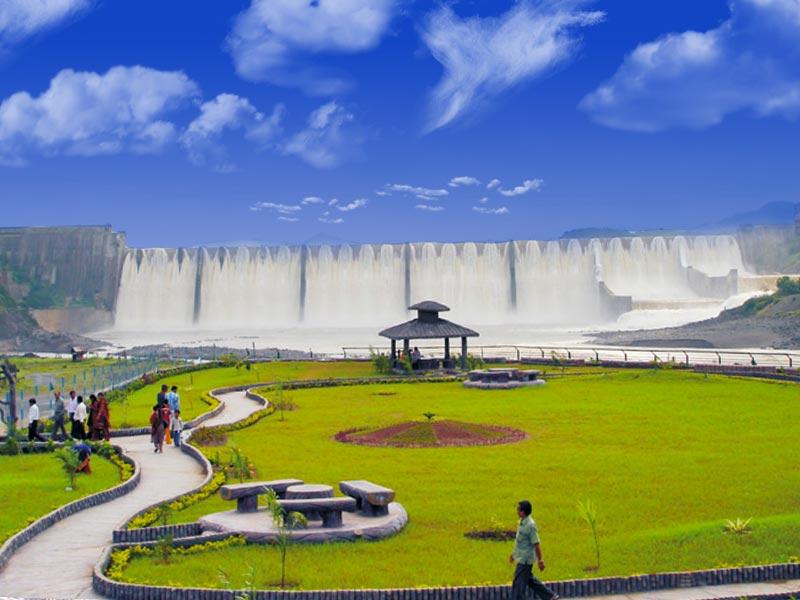
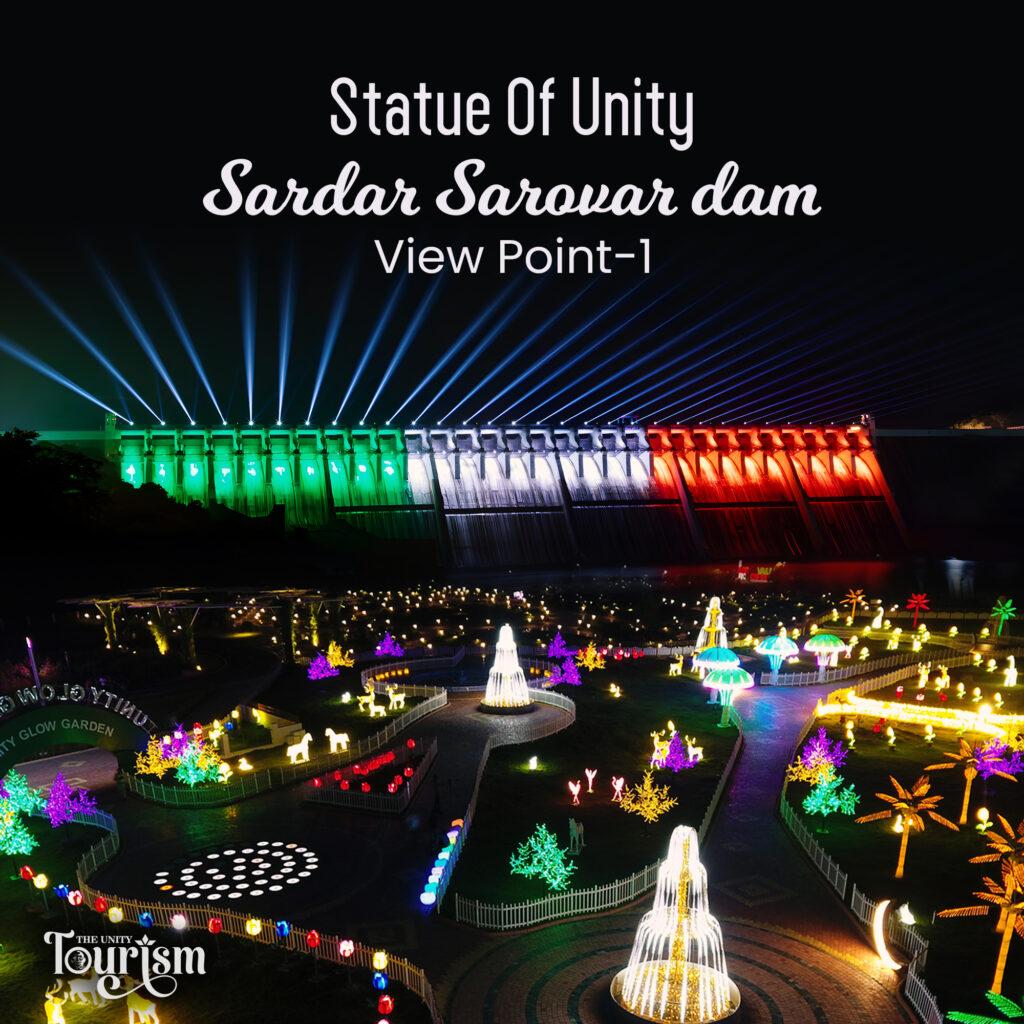
Sardar Sarovar

Sardar Sarovar prem mandir vrindavan

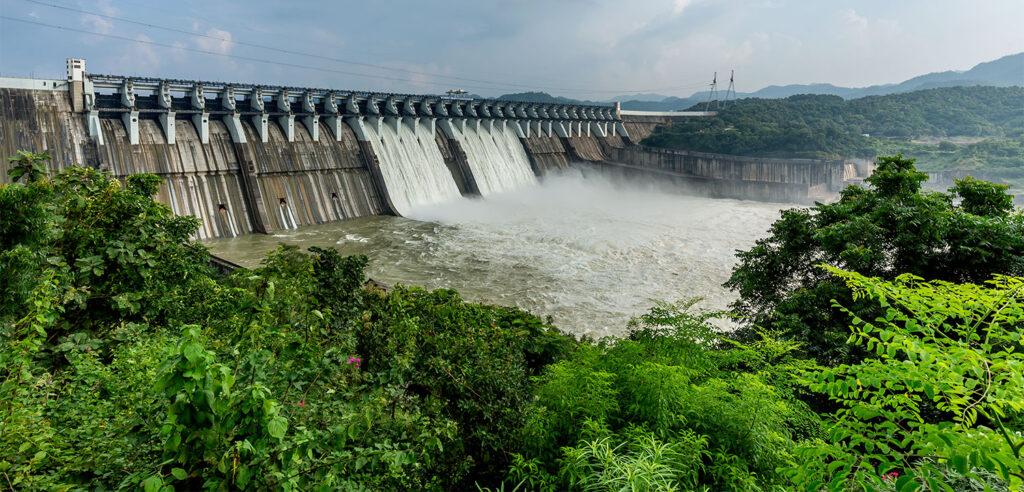
About Sardar Sarovar Dam :

Sardar Sarovar prem mandir vrindavan Best Time To VisitOctober and November
Entry Fees Entry FeesRs. 5 for Adults, Rs. 10 for Two Wheeler, Rs. 50 for Car & Rs. 100 for Bus
Location LocationNavagam, Kevadia, Narmada District, Gujarat
Sardar Sarovar prem mandir vrindavan Timing8.30 AM – 5.30 PM
  1. Purpose: The primary objectives of the Sardar Sarovar Dam are:

    • Irrigation: To provide water for irrigating agricultural land in Gujarat, Rajasthan, and Maharashtra through an extensive network of canals.
    • Hydropower: To generate electricity through hydroelectric power generation.
    • Drinking water: To supply clean drinking water to numerous villages and towns in Gujarat and neighboring states.
    • Flood control: To mitigate the impact of floods in the downstream areas by regulating the flow of the Narmada River.
  2. Specifications:

    • Type: Gravity dam
    • Height: 163 meters (535 feet)
    • Length: 1,210 meters (3,970 feet)
    • Crest elevation: 138.68 meters (455 feet) above sea level
    • Reservoir capacity: 9.5 billion cubic meters (340 billion cubic feet)
    • Power generation capacity: 1,450 megawatts (MW) from six turbines
    • Canal network: Extensive network of canals spanning thousands of kilometers to distribute water for irrigation and drinking purposes.
  3. Construction:

    • The idea for the dam was first proposed in the mid-20th century, but construction began in earnest in 1987.
    • The dam faced numerous hurdles, including environmental concerns, protests from displaced communities, and legal challenges.
    • Construction was completed in 2017, although certain associated projects and rehabilitation efforts continue to this day.
  4. Environmental and Social Impact:

    • The construction of the dam has led to the displacement of thousands of people from their homes and agricultural lands, sparking protests and controversy.
    • Environmentalists have raised concerns about the impact on local ecosystems, including the loss of biodiversity and disruption of natural river flow patterns.
    • Proponents argue that the dam brings significant benefits in terms of water supply, electricity generation, and flood control, contributing to regional development.
  5. Benefits:

    • Irrigation: Provides water to over 18,000 square kilometers (6,900 square miles) of land, benefiting millions of farmers.
    • Hydropower: Contributes to India’s renewable energy portfolio, providing clean electricity to the grid.
    • Drinking water: Supplies drinking water to numerous villages and towns, improving public health and sanitation.
    • Flood control: Helps regulate the flow of the Narmada River, reducing the risk of floods in downstream areas.
Sardar Sarovar prem mandir vrindavan

sardar sarovar dam location

sardar sarovar dam visit permission online

To obtain permission to visit the Sardar Sarovar Dam online, you can follow these steps:

  1. Visit the official website of the Sardar Sarovar Narmada Nigam Limited (SSNNL) or the relevant government department responsible for managing the dam.
  2. Look for the section related to visitor information or permissions.
  3. Follow the instructions provided on the website to apply for permission online.
  4. You may need to fill out an application form with details such as your name, contact information, purpose of visit, and preferred dates.
  5. Make sure to provide any necessary supporting documents as specified by the authorities.
  6. Submit the application as per the guidelines provided on the website.
  7. Wait for confirmation of your visit and any further instructions from the authorities via email or other communication channels provided during the application process.

Great Rann Of Kutch

Great Rann Of Kutch prem mandir vrindavan

Kutch Rann Utsav

Great Rann Of Kutch prem mandir vrindavan

The Great Rann of Kutch in Gujarat is a vast salt marsh located in the Thar Desert. It’s one of the largest salt deserts in the world, spanning thousands of square kilometers. The Rann Utsav is a cultural festival held annually in this breathtaking landscape, typically from November to February.

During the Rann Utsav, visitors get to experience the vibrant culture of Gujarat through various activities, performances, and exhibitions. Here are some key highlights:

1. Cultural Performances: You can witness traditional dance forms like Garba and folk music performances that showcase the rich cultural heritage of Gujarat. Artists from different parts of the state come together to enthrall the audience with their talent.

2. Handicrafts and Artisans: The festival features stalls and exhibitions where local artisans display and sell their exquisite handicrafts, including embroidery, bandhani (tie-dye), woodwork, and pottery. It’s a great opportunity to buy authentic Gujarati souvenirs.

3. Cuisine: Food lovers can indulge in a variety of Gujarati delicacies and traditional dishes offered at the festival. From spicy snacks like dhokla and fafda to sweets like jalebi and ghughra, there’s something to tantalize every palate.

4. Adventure Activities: For those seeking adventure, there are options like camel rides, ATV rides, para-motoring, and cultural tours to nearby villages. These activities allow visitors to explore the unique landscape and experience the local way of life.

5. Tent City Accommodation: The Rann Utsav offers the experience of staying in luxurious tent accommodations known as the Tent City. These well-appointed tents provide modern amenities while immersing guests in the rustic charm of the desert surroundings.

6. Sunset and White Rann: One of the most mesmerizing experiences of the Rann Utsav is witnessing the sunset over the vast expanse of the White Rann. The stark white landscape against the colorful hues of the sky creates a surreal and unforgettable sight.

7. Cultural Workshops and Seminars: Visitors can also participate in workshops and seminars that offer insights into various aspects of Gujarati culture, including art, craft, cuisine, and traditions.

Overall, the Rann Utsav is a celebration of Gujarat’s rich cultural tapestry set against the backdrop of the stunning Great Rann of Kutch, making it a must-visit destination for cultural enthusiasts and nature lovers alike.

Great Rann Of Kutch

Great Rann Of Kutch prem mandir vrindavan

The Great Rann of Kutch is a vast salt marsh located in the Thar Desert of the Kutch district in the Indian state of Gujarat. It is one of the largest salt deserts in the world, covering an area of thousands of square kilometers. The landscape of the Great Rann is characterized by white salt flats that extend as far as the eye can see, creating a surreal and otherworldly atmosphere.

The region is known for its unique ecosystem and biodiversity, with various species of flora and fauna adapted to the harsh desert conditions. Wildlife enthusiasts can spot a variety of bird species, including flamingos, cranes, and pelicans, especially during the winter months when migratory birds flock to the area.

Visitors to the Great Rann of Kutch can experience its awe-inspiring beauty through guided tours, camel safaris, and cultural excursions. One of the most popular attractions is the Rann Utsav, a cultural festival that celebrates the vibrant heritage of Gujarat with traditional music, dance, and handicrafts. The festival usually takes place from November to February and attracts tourists from around the world.

Another highlight of the Great Rann is the breathtaking sunset and sunrise views, where the vast expanse of salt flats is bathed in golden hues, creating a truly magical spectacle. Additionally, visitors can explore nearby attractions such as the Kutch Desert Wildlife Sanctuary, Kalo Dungar (Black Hill), and the ancient town of Dholavira, which is home to the ruins of the ancient Indus Valley Civilization.

Overall, the Great Rann of Kutch offers a unique and unforgettable experience for nature lovers, adventure seekers, and cultural enthusiasts alike, with its unparalleled natural beauty and rich cultural heritage.

kalika mata temple pavagadh location darshan time full details

kalika mata temple pavagadh location darshan time full details prem mandir vrindavan

kalika mata temple pavagadh Location

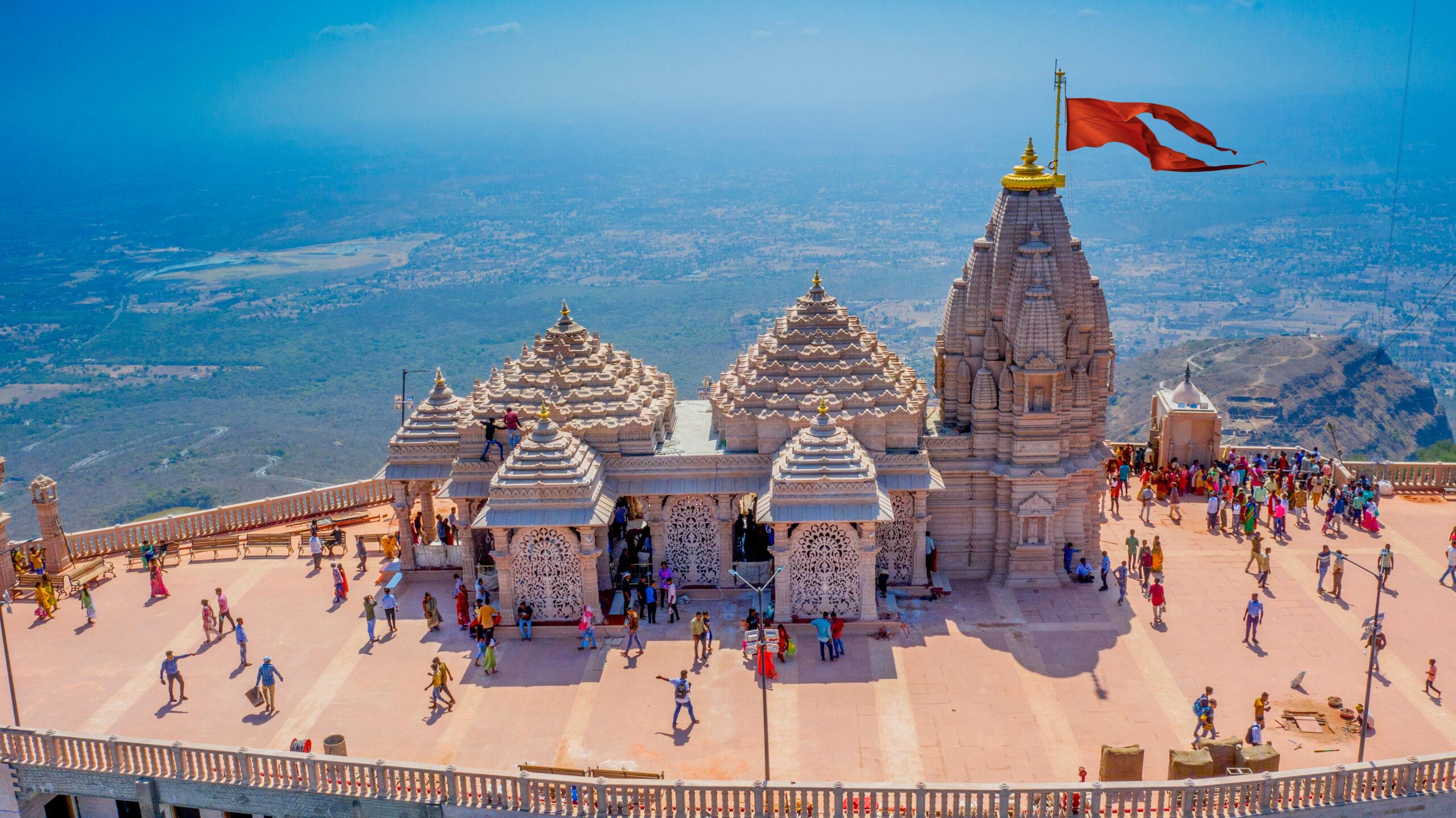
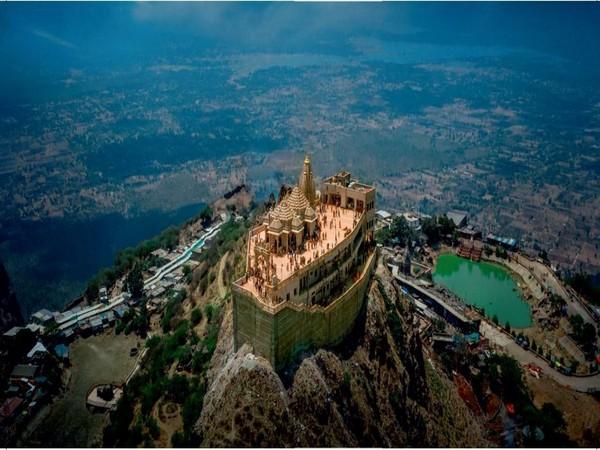
Location: Kalika Mata Temple is located atop the Pavagadh Hill, near the city of Vadodara in Gujarat, India.

Pavagadh Mahakali Temple Aarti Timings

Two Aartis are performed at Pavagadh Mahakali Temple every day.

Aarti NameTime
Morning Aarti Timing5:00 AM
Evening Aarti Timing6:30 PM

Temple Timings:

  • The temple generally opens at sunrise and closes after sunset.
  • However, it’s advisable to confirm the exact timings as they may vary based on the season and specific rituals.
  • Devotees can usually visit the temple throughout the day, with specific puja timings held at different intervals.
kalika mata temple pavagadh location darshan time full details prem mandir vrindavan

Ropeway Ticket Booking:

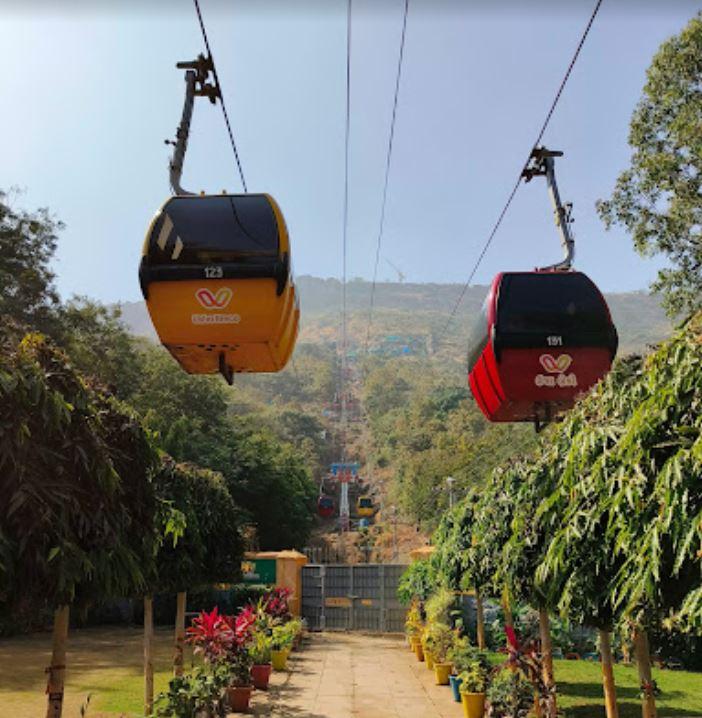
  • The ropeway, or cable car, is a convenient way to reach the Kalika Mata Temple atop Pavagadh Hill.
  • Tickets for the ropeway can be booked either online through official websites or on-site at the ropeway station.
  • It’s recommended to book tickets in advance, especially during peak seasons or festivals, to avoid long queues and ensure a smoother experience.
  • The ticket prices may vary based on factors like age (adult or child), round-trip or one-way journey, and any special packages available.

Full Details:

  • The temple is dedicated to Goddess Kalika, a form of Goddess Durga.
  • It’s perched on a hill, which requires a climb of about 2500 steps or you can take a cable car to reach the top.
  • The temple architecture showcases intricate carvings and designs.
  • The surroundings offer breathtaking views of the plains below.
  • It’s not only a religious site but also a place of historical significance.
  • Pilgrims from all over visit this temple, especially during Navratri, a nine-night festival dedicated to the worship of Goddess Durga.

Gir National Park | booking, timing, Map, Jungle safari

Gir National Park | booking, timing, Map, Jungle safari prem mandir vrindavan

Map

Map:

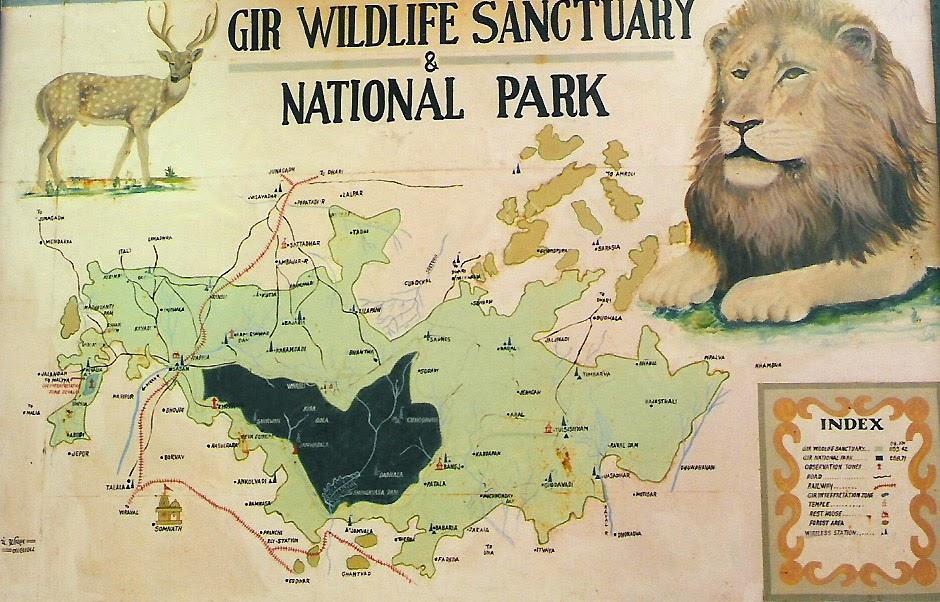
  • Gir National Park is located in the Junagadh district of Gujarat, India.
  • The park covers an area of approximately 1412 square kilometers.
  • Detailed maps of the park, highlighting different zones, trails, and landmarks, are available at the park entrance or from tourist information centers.
  • Having a map will aid in navigating the park and ensuring you make the most of your safari experience.
Gir National Park | booking, timing, Map, Jungle safari prem mandir vrindavan

Booking:

    • Booking for jungle safaris and accommodations can be done online through the official Gir National Park website or via authorized tour operators.
    • It’s recommended to book well in advance, especially during peak seasons, to secure your spot.
Gir National Park | booking, timing, Map, Jungle safari prem mandir vrindavan

Timing:

  • Gir National Park is typically open for visitors from mid-October to mid-June.
  • Safari timings are usually divided into morning and afternoon slots.
  • Morning safaris typically start around 6:30 AM and last for about 3-4 hours.
  • Afternoon safaris generally begin around 3:00 PM and also last for about 3-4 hours.
  • It’s important to confirm the exact timings closer to your visit as they may vary.
Gir National Park | booking, timing, Map, Jungle safari prem mandir vrindavan

Jungle Safari:

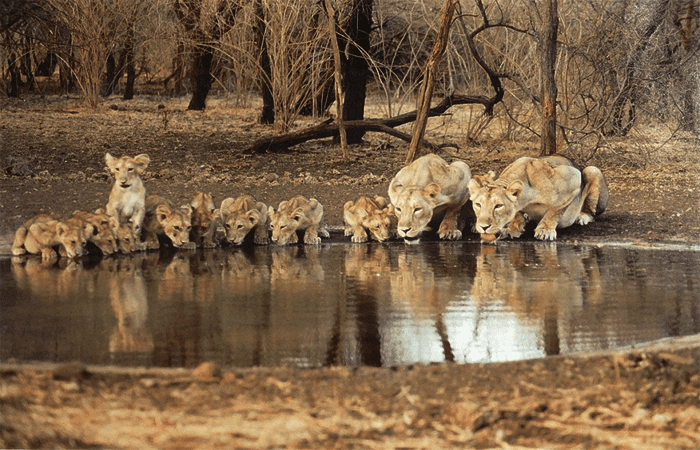
  • The jungle safari is the primary way to explore Gir National Park and witness its diverse wildlife, including the Asiatic lions.
  • Safaris are conducted by trained guides in open-roof vehicles provided by the park authorities.
  • Visitors are required to follow safety instructions and regulations during the safari to ensure a safe and enjoyable experience.

Dwarkadhish Temple Timings Location map Full Details

Dwarkadhish Temple Timings​

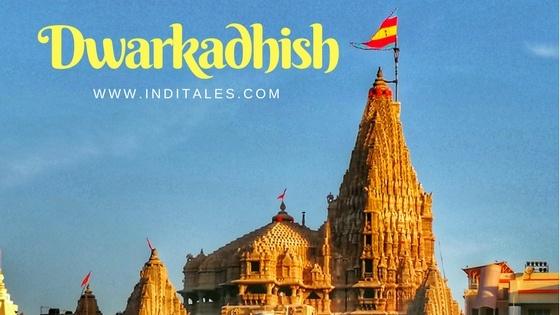
The Dwarkadhish Temple Timings are an essential aspect for devotees planning their visit to this revered site. Situated in the ancient city of Dwarka in Gujarat, India, this temple holds immense significance in Hindu mythology and attracts pilgrims from all over the world. Understanding the Dwarkadhish Temple Timings allows visitors to schedule their prayers, rituals, and darshans (viewing of the deity) accordingly, ensuring they can experience the spiritual ambiance and architectural grandeur at its best. Whether it’s the early morning aarti (ritual of worship) or the evening ceremony, each timing offers devotees a chance to connect with the divine in their own way. Additionally, being aware of the Dwarkadhish Temple Timings helps in avoiding crowds and making the most of one’s visit, fostering a deeper sense of devotion and tranquility amidst the bustling temple precincts.

Dwarkadhish Temple

Dwarkadhish Temple Timings

7am–12.30pm and 5–9pm

Sunday
  • 7 AM–12:30 PM
  • 5–9 PM
 
 
Monday
  • 7 AM–12:30 PM
  • 5–9 PM
 
 
Tuesday
  • 7 AM–12:30 PM
  • 5–9 PM
 
 
Wednesday
  • 7 AM–12:30 PM
  • 5–9 PM
 
 
Thursday
  • 7 AM–12:30 PM
  • 5–9 PM
 
 
Friday
  • 7 AM–12:30 PM
  • 5–9 PM
 
 
Saturday
  • 7 AM–12:30 PM
  • 5–9 PM

Location:

  • Dwarkadhish Temple is situated in the town of Dwarka, Gujarat, India.
  • It is located on the western coast of Gujarat, overlooking the Arabian Sea.
  • The temple stands on the banks of the Gomti River.

Architecture:

  • The temple showcases remarkable architectural craftsmanship, featuring intricate carvings and designs.
  • It follows the Chalukya style of architecture, with a five-story main shrine supported by 72 pillars.

Significance:

  • Dwarkadhish Temple is one of the Char Dham pilgrimage sites, considered highly sacred by Hindus.
  • It is believed to be one of the seven Moksha Puri, the holiest places that grant salvation.
  • The temple is dedicated to Lord Krishna, who is worshipped here as Dwarkadhish, meaning “King of Dwarka.”

Pilgrimage:

  • Devotees visit the temple throughout the year to seek blessings and offer prayers to Lord Krishna.
  • The temple receives a significant influx of pilgrims during festivals, especially Janmashtami, the birthday of Lord Krishna.

Timings:

  • The temple usually opens early in the morning around 6:00 AM and closes around 9:00 PM.
  • It remains closed for a few hours during the afternoon, typically from 1:00 PM to 5:00 PM.

Accommodation:

  • There are various accommodation options available for pilgrims in Dwarka, ranging from budget guesthouses to more luxurious hotels.
  • Some pilgrims also choose to stay in ashrams and dharamshalas located near the temple premises.

Travel:

  • Dwarkadhish Temple is easily accessible by road, rail, and air.
  • The nearest railway station is Dwarka Railway Station, and the nearest airport is Jamnagar Airport, both well-connected to major cities in India.

Safety and Etiquette:

  • Visitors are advised to maintain decorum and respect the religious sentiments of the devotees.
  • Photography may be restricted in certain areas of the temple, so it’s essential to follow the guidelines.

About

The Dwarkadhish Temple, located in the city of Dwarka in the western Indian state of Gujarat, is a significant Hindu temple dedicated to Lord Krishna, who is worshipped here in his form as Dwarkadhish, meaning “Lord of Dwarka.”

Believed to be over 2,000 years old, the temple holds immense religious and cultural importance for Hindus, especially followers of Krishna. According to Hindu mythology, Dwarka is considered one of the seven sacred cities, and the Dwarkadhish Temple is among the Char Dham pilgrimage sites.

The temple’s architecture reflects a blend of intricate craftsmanship and spiritual symbolism. Its main shrine, known as the ‘Nija Mandir,’ houses the deity of Lord Krishna, which is adorned with elaborate decorations and offerings by devotees. The temple complex also includes smaller shrines dedicated to other deities.

Apart from its religious significance, the Dwarkadhish Temple attracts tourists and pilgrims from all over the world due to its historical value and architectural splendor. The temple’s serene ambiance and its location near the Arabian Sea further enhance its appeal, making it a must-visit destination for spiritual seekers and lovers of ancient heritage alike.

The temple complex is not only a place of worship but also a center for various cultural and spiritual activities. Throughout the year, numerous festivals and religious ceremonies are celebrated with great fervor, drawing large crowds of devotees.

One of the most prominent festivals celebrated at the Dwarkadhish Temple is Janmashtami, the birth anniversary of Lord Krishna. During this time, the temple is adorned with colorful decorations, and special prayers and rituals are performed to mark the occasion. Devotees from far and wide gather at the temple to participate in the festivities and seek blessings from the deity.

The temple’s management also organizes various charitable initiatives, including feeding the poor and providing assistance to the needy, in accordance with the principles of seva (selfless service) advocated by Lord Krishna.

Overall, the Dwarkadhish Temple stands not only as a place of religious significance but also as a symbol of India’s rich cultural heritage and spiritual traditions. It continues to inspire millions of devotees and visitors with its timeless beauty and profound spiritual atmosphere.

FAQS

  1. What is Dwarkadhish Temple? Dwarkadhish Temple, located in Dwarka, Gujarat, India, is a Hindu temple dedicated to Lord Krishna, who is worshipped here as Dwarkadhish, meaning “King of Dwarka.”

  2. Where is Dwarkadhish Temple situated? The temple is situated in the town of Dwarka, on the western coast of Gujarat, India. It is located on the banks of the Gomti River.

  3. What is the significance of Dwarkadhish Temple? Dwarkadhish Temple holds immense religious significance for Hindus. It is believed to be one of the Char Dham pilgrimage sites and is considered one of the 108 Divya Desams, sacred Vishnu temples mentioned in the works of the Alvars (Tamil poet-saints).

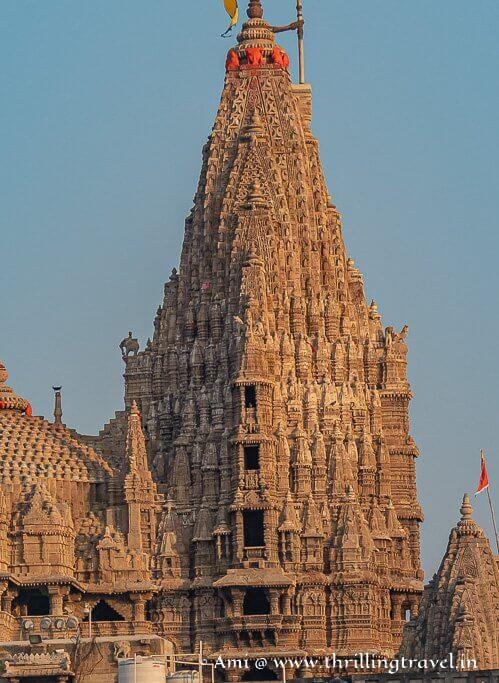
  4. What are the main features of the temple? The temple’s architecture is a significant attraction. It follows the Chalukya style and has a five-story main shrine supported by 72 pillars. The spire of the temple is around 78.3 meters tall. The temple complex also includes smaller shrines dedicated to various deities.

  5. What are the timings of the temple? The temple usually opens early in the morning and closes in the evening. The timings may vary on different days and during festivals. It’s advisable to check the current timings before planning a visit.

  6. Are there any rituals or ceremonies performed at the temple? Yes, several rituals and ceremonies take place at Dwarkadhish Temple daily. These include Aarti (prayer rituals), Abhishekam (ritual bathing of the deity), and Darshan (viewing of the deity).

  7. Is there any dress code for visiting the temple? While there might not be a strict dress code, visitors are encouraged to dress modestly and respectfully. It’s customary to remove footwear before entering the temple premises.

  8. Can non-Hindus visit Dwarkadhish Temple? Yes, non-Hindus are generally allowed to visit Dwarkadhish Temple and experience its spiritual ambiance. However, it’s essential to respect the religious sentiments and follow the rules and regulations of the temple.

  9. Are there any nearby attractions worth visiting? Dwarka boasts several other attractions apart from the Dwarkadhish Temple, such as the Rukmini Devi Temple, Nageshwar Jyotirlinga Temple, and the Beyt Dwarka Island. These sites are often included in the itinerary of visitors to the region.

  10. Is there accommodation available near Dwarkadhish Temple? Yes, there are numerous accommodation options available near Dwarkadhish Temple, ranging from budget guesthouses to luxury hotels. It’s advisable to book accommodation in advance, especially during peak tourist seasons and festivals.

famous museum in gujarat,location,full details

famous museum in gujarat,location,full details prem mandir vrindavan

1.Laxmi Vilas Palace

famous museum in gujarat,location,full details prem mandir vrindavan

Laxmi Vilas Palace is a majestic palace located in Vadodara (Baroda), Gujarat, India. It is one of the largest private residences in the world, built by Maharaja Sayajirao Gaekwad III in 1890. The palace’s architecture is a blend of Indo-Saracenic, Hindu, Mughal, and European styles, showcasing exquisite craftsmanship and grandeur. It spans over 500 acres and boasts of numerous rooms, including a Darbar Hall that can accommodate up to 600 guests. Today, parts of the palace are open to the public as a museum, offering insights into the opulent lifestyle of the royal family.

2.Baroda Museum And Picture Gallery

famous museum in gujarat,location,full details prem mandir vrindavan

The Baroda Museum and Picture Gallery, located in Vadodara (formerly Baroda), Gujarat, India, is one of the oldest museums in the country. It was established in 1887 by Maharaja Sayajirao Gaekwad III, who was a great patron of art and education. The museum’s architecture reflects a blend of Indian and European styles, and its collection encompasses a wide range of artifacts, including sculptures, paintings, textiles, manuscripts, coins, and more.

One of the highlights of the museum is the collection of artworks by renowned Indian artists such as Raja Ravi Varma, S.H. Raza, and Nandalal Bose. Additionally, the museum houses an impressive collection of artifacts from various civilizations, including Egyptian, Greek, and Roman antiquities.

The Picture Gallery within the museum displays European paintings by artists like Raphael, Titian, and Murillo, making it a treasure trove for art enthusiasts. The museum also has galleries dedicated to natural history, ethnology, and archaeology, offering visitors a comprehensive view of the cultural and historical heritage of the region and beyond.

Overall, the Baroda Museum and Picture Gallery is not only a repository of valuable artifacts but also a testament to the rich cultural heritage and artistic traditions of India.

3.Balasinor Dinosaur Museum

famous museum in gujarat,location,full details prem mandir vrindavan

The Balasinor Dinosaur Museum, located in Balasinor, Gujarat, India, is one of the country’s most unique museums, dedicated entirely to showcasing the rich dinosaur heritage of the region. It was established in 2010 and is situated close to the site where dinosaur fossils were first discovered in the area.

The museum houses a fascinating collection of dinosaur fossils, eggs, bones, and other related artifacts, making it a paradise for dinosaur enthusiasts and researchers alike. One of the main attractions of the museum is a life-sized replica of the Rajasaurus narmadensis, a species of dinosaur that was discovered in the Narmada River valley region of Gujarat.

Visitors to the Balasinor Dinosaur Museum can learn about the prehistoric creatures that once roamed the area, as well as the geological history of the region. The museum also offers interactive exhibits, educational displays, and guided tours, providing visitors with a comprehensive understanding of paleontology and the importance of preserving fossil sites.

Overall, the Balasinor Dinosaur Museum is a must-visit destination for anyone interested in dinosaurs, paleontology, or natural history, offering a unique and immersive experience that showcases the ancient past of the Indian subcontinent.

4.Dandi Kutir Museum

famous museum in gujarat,location,full details prem mandir vrindavan

The Dandi Kutir Museum, also known as the National Salt Satyagraha Memorial, is located in Gandhinagar, Gujarat, India. It commemorates the historic Dandi March led by Mahatma Gandhi in 1930 as part of the Indian independence movement.

The museum complex is a modern architectural marvel designed to immerse visitors in the story of the Salt Satyagraha, a pivotal event in India’s struggle for freedom from British colonial rule. It was inaugurated on Mahatma Gandhi’s 141st birth anniversary on October 2, 2011.

Dandi Kutir utilizes multimedia technology, interactive exhibits, and immersive displays to narrate the events leading up to the Dandi March, its significance in India’s fight for independence, and its impact on the nation’s history. The museum showcases the life and philosophy of Mahatma Gandhi, highlighting his principles of non-violence, civil disobedience, and social justice.

Visitors can explore various galleries, including ones dedicated to Gandhi’s early life, his role in the freedom movement, and the symbolism of salt in the struggle for independence. The museum also features a replica of the Salt Satyagraha Ashram, where Gandhi and his followers lived during the march, as well as a memorial hall and an amphitheater for cultural events and educational programs.

Overall, the Dandi Kutir Museum serves as a powerful tribute to Mahatma Gandhi and the countless individuals who participated in the Salt Satyagraha, inspiring visitors to reflect on the principles of truth, justice, and freedom that continue to resonate today.

5.Khoj Museum

famous museum in gujarat,location,full details prem mandir vrindavan

The Khoj Museum, located in Ahmedabad, Gujarat, India, is a unique institution dedicated to showcasing the history and evolution of money and currency in India. It offers visitors a fascinating journey through the various forms of currency used in the Indian subcontinent over the centuries.

The museum’s exhibits cover a wide range of topics related to money, including the barter system, ancient coins, medieval currency, paper money, and modern banking. Visitors can explore interactive displays, multimedia presentations, and informative exhibits that provide insights into the economic history of India and the role of currency in shaping society.

One of the highlights of the Khoj Museum is its extensive collection of coins and currency notes from different periods of Indian history, including rare and ancient artifacts that offer glimpses into the economic and cultural life of the past. The museum also offers educational programs, workshops, and guided tours for visitors of all ages, making it an engaging destination for learning about the fascinating world of money.

Overall, the Khoj Museum serves as a valuable resource for understanding the significance of money in Indian civilization and the evolution of economic systems over time. It provides visitors with a unique opportunity to explore the cultural, historical, and economic dimensions of currency, enriching their understanding of the world around them.

3.Delhi Gate Surat Redlight Area